





Essential Tips for Inspecting a Used Sany 215 Excavator
Release time: 2026-01-23
Table of Contents
- Verify Machine Identity via Serial Number
- Evaluate Engine Condition Thoroughly
- Assess Hydraulic System Performance
- Examine the Undercarriage for Wear
- Check for Structural Damage
- Test Cab Controls and Comfort
- Request and Review Maintenance Records
FAQ
- What is the typical lifespan of a Sany 215 excavator?
- Is it risky to buy a used Sany 215 from overseas?
- What should be checked before shipping a used Sany 215 overseas?
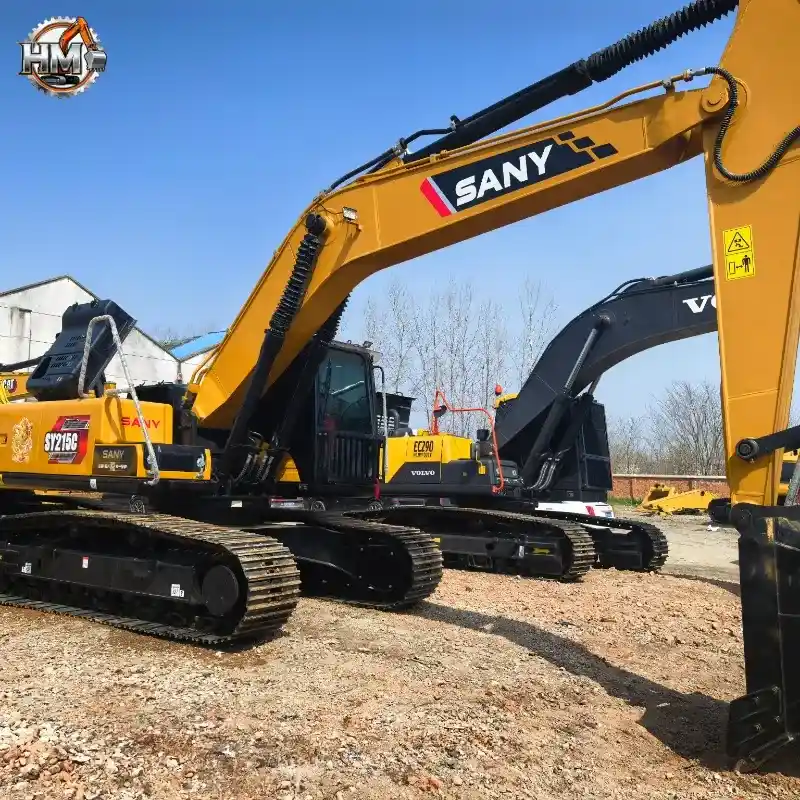
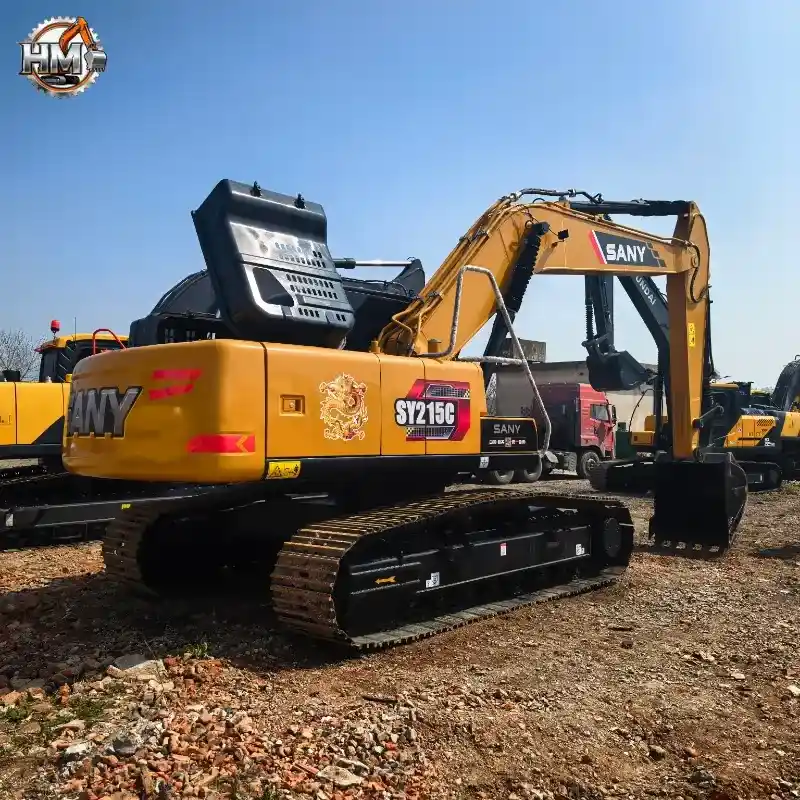
Key Inspection Tips for Used Sany 215 Excavators
Unlike simple checklists, these tips focus on practical observations and professional judgments to help you identify potential issues and assess the machine’s actual condition.
1. Verify Machine Identity via Serial Number
The first step in any used equipment inspection is to confirm the machine’s authenticity. Locate the serial number plate on the Sany 215—usually positioned on the main frame or inside the engine compartment—and cross-verify it with the official documentation provided by the supplier. This step is particularly important for overseas purchases, as it ensures the production year, model variant (e.g., SY215C, SY215E), and technical specifications match the information provided, preventing customs clearance issues and misrepresentation.
2. Evaluate Engine Condition Thoroughly
The engine is the heart of the Sany 215, and its condition directly impacts the machine’s performance and lifespan. Begin with a visual inspection: open the engine compartment to check for oil leaks, coolant seepage, or loose wiring. Most Sany 215 units are equipped with reliable engines from Isuzu, Cummins, or Mitsubishi (e.g., the Mitsubishi 6D34), known for their durability and fuel efficiency.
Next, start the engine and let it warm up for 5-10 minutes. Listen for unusual knocking or rattling sounds, and observe the exhaust—heavy black smoke may indicate engine wear or fuel system issues. A well-maintained Sany 215 engine should run smoothly, with no oil leaks, consistent idle speed, and easy startup even in cooler temperatures.
3. Assess Hydraulic System Performance
The hydraulic system is critical for the Sany 215’s digging and lifting capabilities, so it’s essential to test its functionality thoroughly. Operate the boom, stick, and bucket through a full range of motions, paying attention to responsiveness and smoothness. Delays, jerky movements, or unusual noises during operation may signal problems with hydraulic pumps, valves, or hoses.
Also, inspect the hydraulic cylinders and hoses for oil leaks—even small leaks can indicate worn seals or damaged components. Check the hydraulic oil’s color and clarity: clean, amber-colored oil suggests proper maintenance, while turbid or dark oil may mean the system has not been serviced regularly, leading to internal component wear.
4. Examine the Undercarriage for Wear
The undercarriage is one of the most expensive components to replace, so a detailed inspection here can save you significant costs down the line. Check the tracks, rollers, sprockets, and idlers for uneven wear, cracks, or damage. The Sany 215 features reinforced undercarriage parts, but heavy use in mining or long-term earthwork can accelerate wear.
Pay close attention to track shoe thickness—if it’s excessively thin or worn unevenly, it may need replacement soon. Also, inspect the floating oil seals and reducers for leaks, a common issue in older Sany 215 models that can lead to more serious damage if left unaddressed.
5. Check for Structural Damage
Structural integrity is non-negotiable for safe operation. Walk around the machine and inspect the boom, stick, and bucket for cracks, dents, or rough weld repairs—these are signs of past damage or overloading. The Sany 215’s boom and stick are made of high-strength steel and a box-type structure, designed to handle heavy loads, but improper use can cause structural stress.
Focus on pin joints and connection points for rust, deformation, or loose bolts, as these can compromise the machine’s safety. Additionally, check the paint finish—uneven paint or obvious repainting may hide hidden structural damage, so be sure to inspect these areas closely.
6. Test Cab Controls and Comfort
The cab is the operator’s workspace, and its condition can reveal a lot about how the machine was used. Enter the cab and check the monitor, switches, and joysticks for functionality. The Sany 215’s cab is designed for comfort and ease of operation, with a clear monitor that displays key data like engine speed, hydraulic pressure, and working hours.
Test the controls to ensure they respond smoothly without delays or sudden movements. Check the seat for excessive wear, the pedals for smooth operation, and the cab seals for leaks. Also, verify the working hours on the monitor and compare them to the machine’s overall wear—this helps avoid purchasing a tampered unit with falsified hours.
7. Request and Review Maintenance Records
Maintenance records are the best indicator of how well the Sany 215 was cared for. A machine with regular, documented maintenance is far less likely to have hidden issues. Ask the supplier for detailed service records, including dates of oil changes, filter replacements, component repairs, and part replacements.
Reputable overseas suppliers will also provide inspection photos and reports, giving you a clear picture of the machine’s condition. If the supplier cannot provide maintenance records, it may be a red flag, indicating the machine was not properly maintained.
Frequently Asked Questions (FAQ)
Q: How long does a Sany 215 excavator typically last?
A: With proper and regular maintenance, a Sany 215 excavator can easily exceed 10,000 working hours. Well-maintained units have been known to reach 20,000-26,000 hours. The key to extending its lifespan is consistent servicing, including regular oil and filter changes, hydraulic system maintenance, and undercarriage inspections.
Q: Is it risky to buy a used Sany 215 from overseas?
A: The risk is minimal if you choose a trustworthy supplier. Look for suppliers that provide clear documentation (serial number verification, inspection reports, export compliance documents), detailed inspection videos or photos, and export support (customs clearance, logistics). This ensures transparency and reduces the risk of receiving a machine that does not match the description or has hidden faults.
Q: What should I check before shipping a used Sany 215 overseas?
A: Before shipping, confirm that the serial number matches all documentation and take detailed photos of the entire machine, including key components and any wear or damage. Ensure the machine is properly cleaned, rust-proofed, and secured for transport to prevent damage during shipping. If the machine weighs over 28 tons, consider disassembling non-essential parts (e.g., bucket, counterweight) to avoid additional heavy-lifting fees. Also, verify that the machine meets the import regulations of the destination country, such as emission standards and documentation requirements.
Tags:Durable Used SANY SY215C Hydraulic Excavator Good Condition Powerful Equipment
Powerful Second-hand Sany SY215C Pro Construction Machines High Cost Performance Supplier