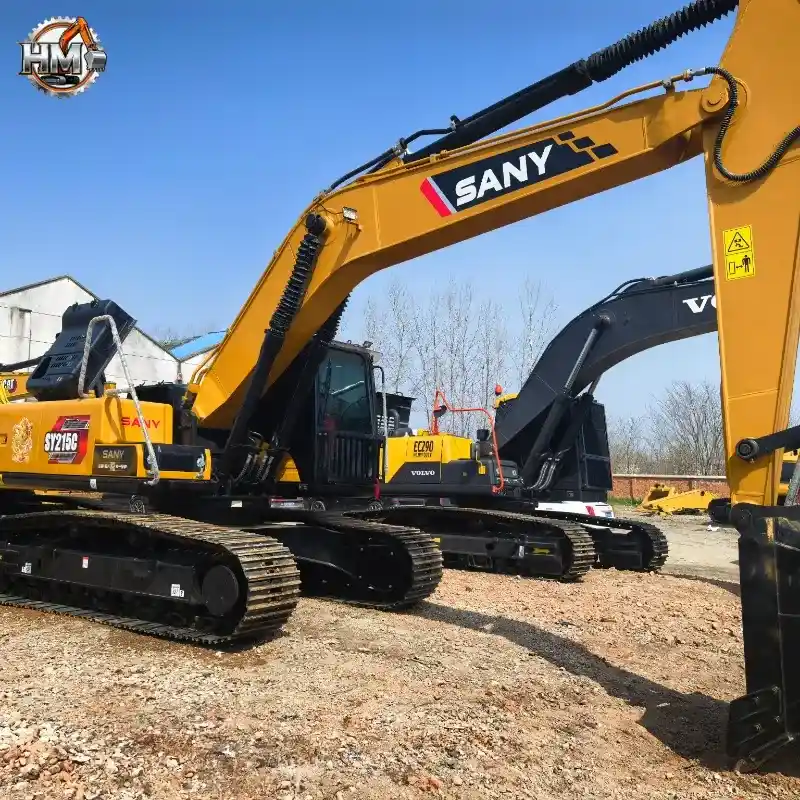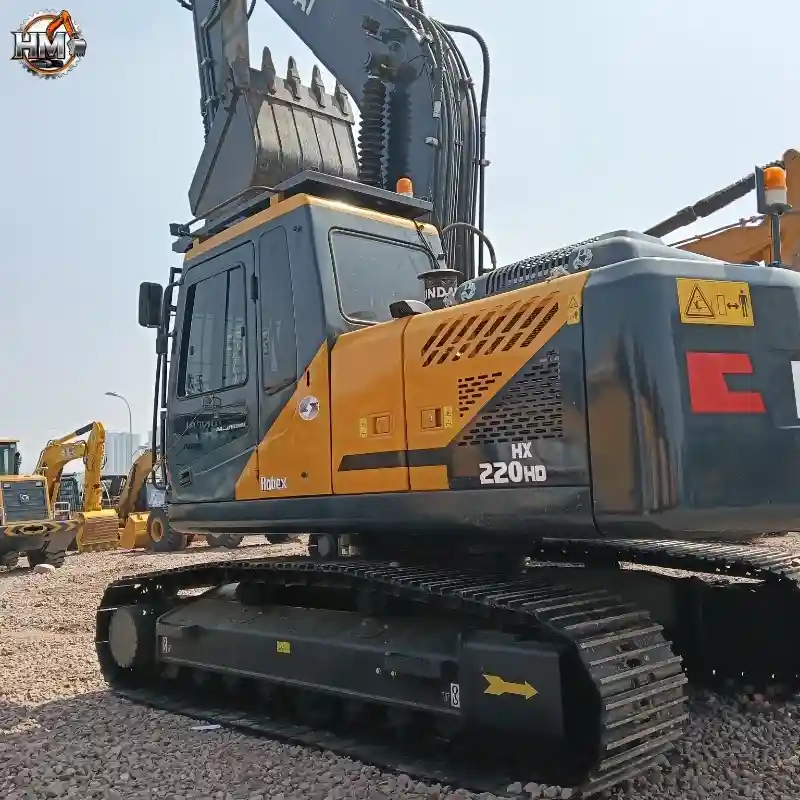






Cat 336GC Excavator Raises the Bar for Fuel Efficiency & Low-Cost Operation
Release time: 2026-02-20
Table of Contents
- Verify Machine Identity via Serial Number
- Evaluate Engine Condition Thoroughly
- Assess Hydraulic System Performance
- Examine the Undercarriage for Wear
- Check for Structural Damage
- Test Cab Controls and Comfort
- Request and Review Maintenance Records
FAQ
- What is the typical lifespan of a Cat 336 GC excavator?
- Is it risky to buy a used Cat 336 GC Excavator from overseas?
- What should be checked before shipping a used Cat 336 GC Excavator overseas?
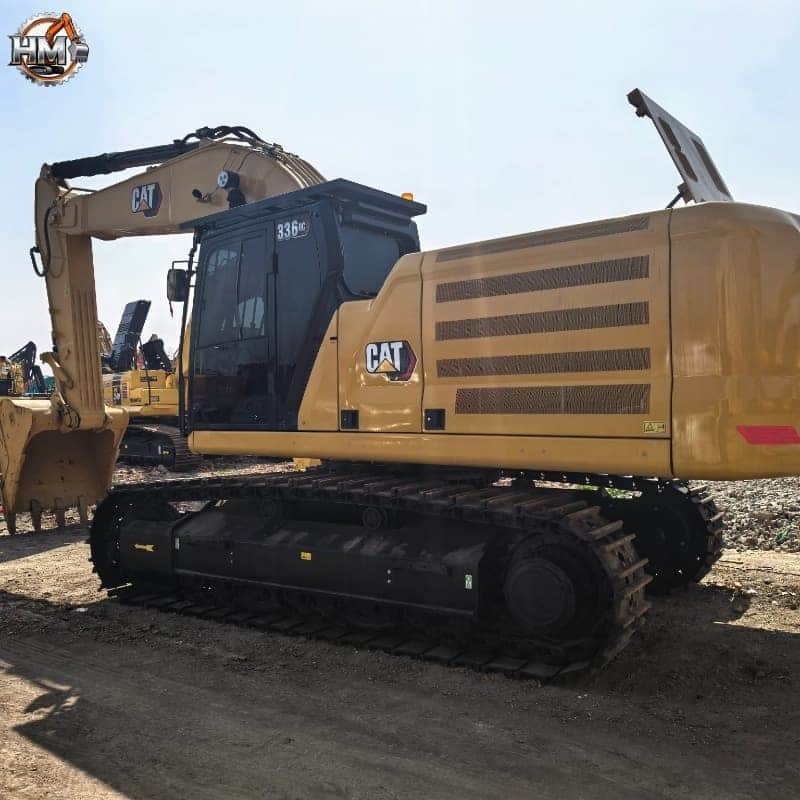
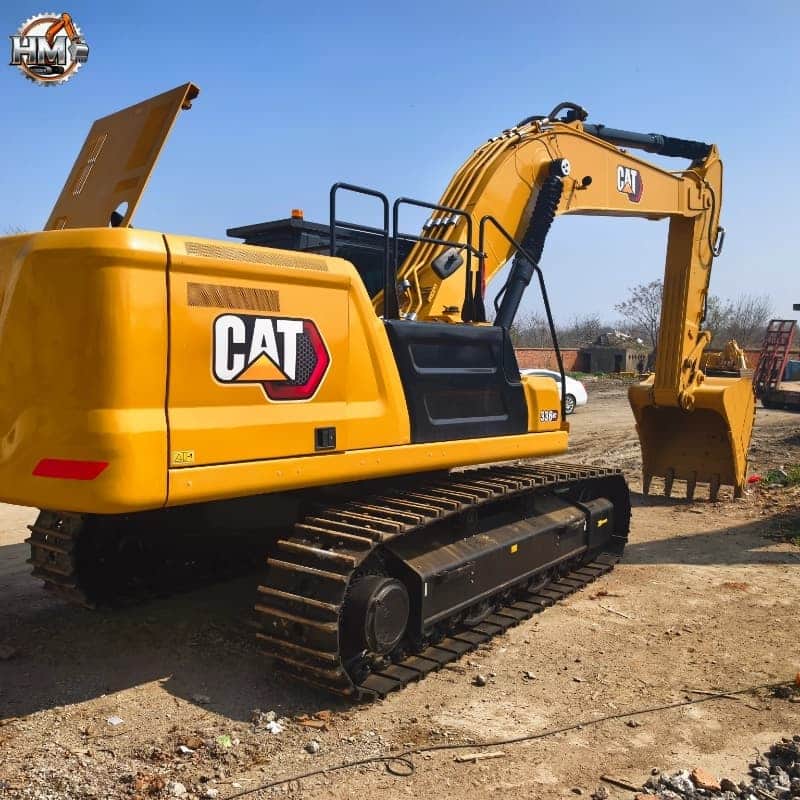
1.Verify Machine Identity via Serial Number
The first step in inspecting a used Cat 336 GC is to confirm its authenticity. Locate the serial number (VIN) on the main frame or inside the engine compartment, then cross-reference it with official documentation (service records, ownership papers) to ensure the machine’s model, production year, and specifications match the seller’s description. This is critical for overseas purchases to avoid customs clearance issues or misrepresented equipment.
2.Evaluate Engine Condition Thoroughly
The engine is the core of the Cat 336 GC. Open the engine compartment to check for oil leaks, coolant seepage, or loose wiring. Start the engine and listen for abnormal noises (knocking, rattling). Monitor exhaust smoke: excessive black smoke may indicate fuel system issues, while white smoke could signal coolant leakage. Test acceleration and idle stability to assess overall performance.
3.Assess Hydraulic System Performance
Operate all hydraulic functions (boom, arm, bucket, slew) to check for slow response, jerky movement, or fluid leaks. Inspect hydraulic hoses and cylinders for cracks, wear, or oil seepage. Test the load-holding capacity by lifting heavy loads to ensure the system maintains pressure without drifting, which indicates valve or seal integrity.
4.Examine the Undercarriage for Wear
Inspect track links, rollers, idlers, and sprockets for excessive wear, cracks, or broken components. Measure track pad thickness and check for misalignment. A worn undercarriage can lead to high replacement costs, so assess if remaining service life aligns with your operational needs.
5.Check for Structural Damage
Visually inspect the main frame, boom, and arm for cracks, dents, or weld repairs. Use a magnetic particle or ultrasonic test (if possible) to detect hidden fatigue cracks, especially in high-stress areas. Structural damage can compromise safety and reduce the machine’s lifespan.
6.Test Cab Controls and Comfort
Enter the cab and test all controls (joysticks, pedals, switches) for smooth operation. Check the seat, air conditioning, and visibility to ensure operator comfort and safety. Verify that safety features (seatbelt, warning lights, emergency stop) are functional and intact.
7.Request and Review Maintenance Records
Ask for complete service history, including oil changes, filter replacements, major repairs, and component overhauls. Consistent, well-documented maintenance indicates a well-cared-for machine, while gaps in records may signal neglected issues or hidden damage.
FAQ Answers (English Version)
Q1: What is the typical lifespan of a Cat 336 GC excavator?
A: With proper maintenance and regular servicing, a Cat 336 GC excavator can operate for 10,000 to 15,000 operating hours (or 8–10 years) before major component overhauls are required. Heavy-duty usage or poor maintenance may shorten this lifespan, while meticulous care can extend it beyond 20,000 hours.
Q2: Is it risky to buy a used Cat 336 GC Excavator from overseas?
A: Overseas purchases carry inherent risks, including misrepresented condition, customs delays, and logistical challenges. However, these risks can be mitigated by:
- Verifying the serial number and maintenance records
- Hiring a third-party inspector to evaluate the machine on-site
- Confirming compliance with import/export regulations and emissions standards
- Using secure payment methods and reputable sellers
Q3: What should be checked before shipping a used Cat 336 GC Excavator overseas?
A: Pre-shipping checks include:
Ensuring compliance with the destination country’s import laws and emissions requirements
Would you like me to also format this into a printable PDF-style document with clear headings and bullet points for easy sharing?
Draining all fluids (fuel, oil, coolant) to meet maritime transport regulations
Securing loose components (boom, arm, bucket) and covering vulnerable parts
Inspecting for leaks or damage that could worsen during transit
Preparing all necessary documentation (bill of lading, customs forms, ownership proof)