





How to Buy a Used Hyundai 220HD: The Ultimate Inspection Guide
Release time: 2026-06-11
Table of Contents
Investing in heavy machinery requires a strategic balance between upfront capital expenditure and long-term operational reliability. In the competitive 22-ton earthmoving segment, procurement managers frequently face the dilemma of choosing a machine that delivers high hydraulic efficiency without a prohibitive price tag.
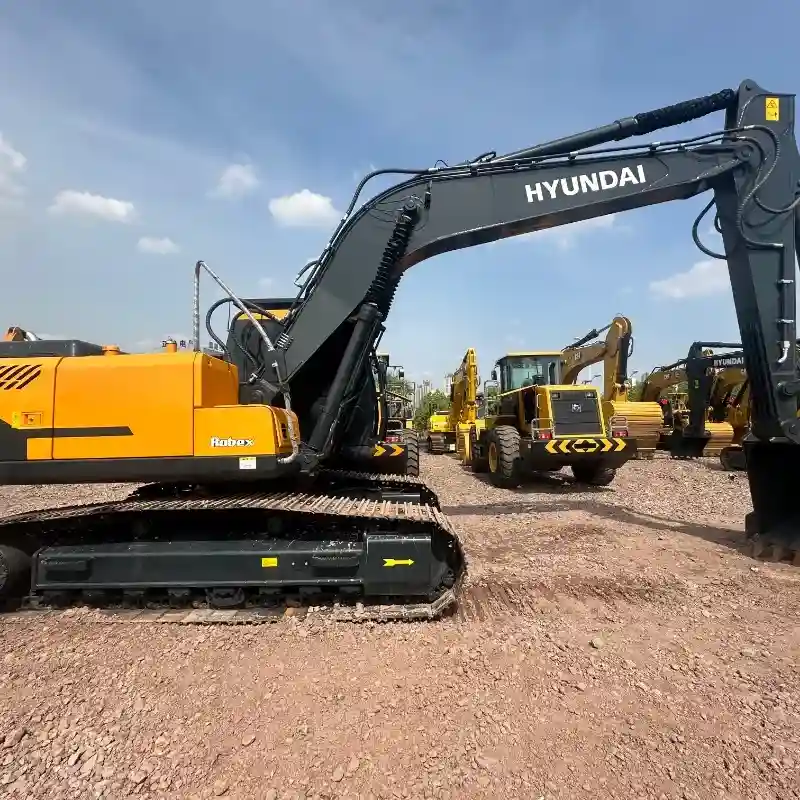
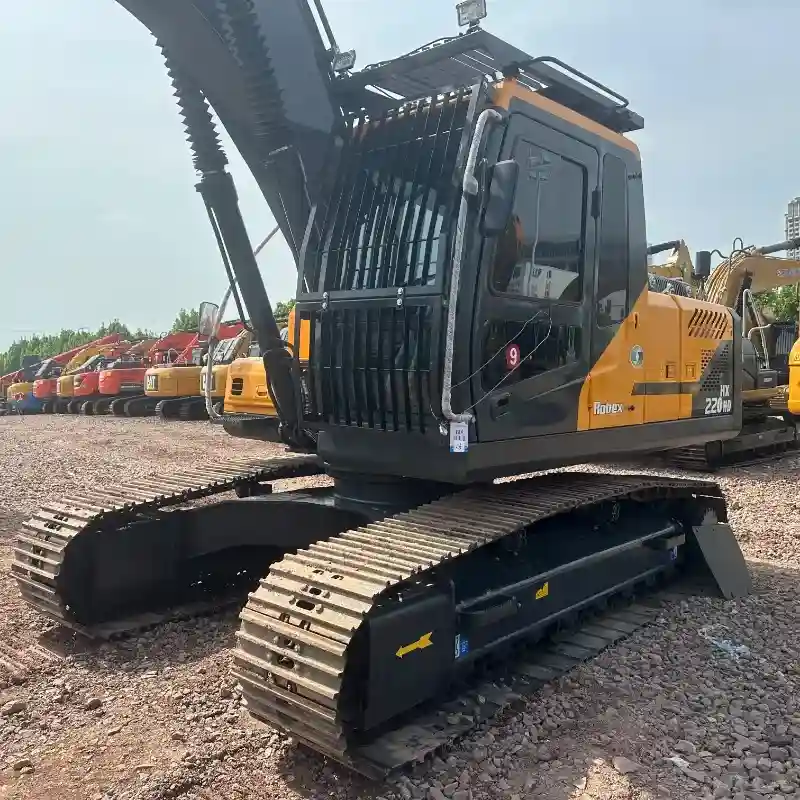
The market for pre-owned equipment offers a viable alternative, provided the buyer can accurately assess the machine’s residual life. Among the various choices available, a used Hyundai 220HD excavator has emerged as a preferred solution for cross-terrain earthworks, mining understructures, and heavy-duty urban construction.
Navigating the secondary market demands a technical eye. This guide outlines the precise engineering checkpoints, hydraulic assessment metrics, and structural inspection protocols required to ensure your investment maximizes uptime and minimizes total cost of ownership.
Core Engineering Diagnostics: Engine and Hydraulic Synchronicity
The operational efficiency of any heavy-duty excavator depends heavily on the synergy between its prime mover and its main hydraulic pumps. When inspecting a Hyundai 220HD crawler excavator, your diagnostic sequence should begin within the engine bay and pump compartment.
- Engine Blow-By and Exhaust Profiling: Start the engine cold to observe initial emissions. A healthy powertrain should clear within seconds. Persistent blue smoke indicates oil infiltration past the piston rings, while black smoke points to fuel-air ratio mismatches or turbocharger degradation. Remove the oil filler cap during idle; excessive pulsing vapor (blow-by) signals internal cylinder wear that could necessitate an expensive overhaul.
- Hydraulic Pump Flow and Cycle Times: The main hydraulic system relies on variable displacement axial piston pumps. Execute a full technical cycle: actuate the boom, arm, and bucket simultaneously to check for hydraulic speed and pressure drop. If the machine bogs down or stalls under heavy digging resistance, the main pump may be suffering from internal blow-by or internal volumetric efficiency loss. Check the pump housing for discoloration, which indicates past chronic overheating events.
- Pilot Control and Valve Block Analysis: Inspect the main control valve bank for external leaks or spool scoring. Sluggish or jerky joystick response usually indicates failing pilot valves or incorrect pilot pressure settings rather than a total pump failure. Ensuring the pilot pressure remains within OEM specifications is critical for precise grade control.
Structural Integrity and Undercarriage Metrics
The undercarriage constitutes up to 50% of an excavator’s lifetime maintenance costs. Therefore, a meticulous physical measurement of wear surfaces is mandatory before finalizing a transaction.
- Undercarriage Wear Analysis: Measure the link height, bush wear, and carrier roller diameters. Look closely for flat spots on the rollers, which indicate frozen bearings. Check the track tensioning system by observing the grease cylinder extension; if the idler is pushed fully forward, the track chains are stretched to their operational limits and will require immediate replacement.
- Slew Ring and Bearing Backlash: Position the excavator with the bucket slightly off the ground and physically rock the upper structure using the boom. Use a dial indicator if possible to measure the axial play in the swing bearing. Excessive vertical movement or distinct clunking sounds during a 360-degree rotation indicate advanced ball-race wear, a defect that requires splitting the upper and lower frames to repair.
- Stress Fractures and Weld Repairs: Thoroughly clean the boom foot, stick cylinders, and bucket linkages to inspect for hairline cracks. Pay special attention to factory weld seams. The presence of non-factory gussets or structural reinforcement plates often indicates structural failures caused by improper handling or overloading in rock quarries.
Comparative Analysis: Technical Benchmarks
To understand how this machine positions itself against industry alternatives, consider the following direct engineering comparison in the standard 22-ton operating class.
| Technical Parameter | Hyundai 220HD | Competitor Class A (20-Ton) | Competitor Class B (22-Ton) |
| Operating Weight (kg) | 21,900 | 21,200 | 22,400 |
| Engine Rated Power (HP) | 148 @ 1950 rpm | 138 @ 2000 rpm | 150 @ 1800 rpm |
| Main Pump Max Flow (L/min) | 2 x 220 | 2 x 200 | 2 x 212 |
| Bucket Digging Force (kN) | 152.3 | 141.0 | 149.0 |
| Arm Digging Force (kN) | 106.9 | 98.0 | 103.0 |
This data illustrates that the heavy-duty configuration provides superior hydraulic flow and digging forces compared to standard 20-ton options, offering faster cycle times and better bucket fill factors in tough soils.
Mitigating Risk: Verification of Machine Provenance
When purchasing used equipment, physical condition is only half the story. The machine’s history and cosmetic status provide vital clues regarding how it was treated by its previous operators.
- Evaluating Cosmetic Authenticity: Be cautious of machines that have been completely repainted, as fresh paint can conceal deep structural welds, active hydraulic leaks, or extensive rust. Prioritizing an original paint Hyundai 220HD allows you to see the true history of the machine, including minor sheet metal abrasions that match normal operating wear.
- Hour Meter and Electronic Control Module (ECM) Alignment: Cross-reference the analog or digital hour meter reading with the internal data stored inside the ECM. Discrepancies between the dashboard display and the engine control hours are an immediate red flag indicating hour-meter tampering. Additionally, download the historical fault code log to see if the machine has experienced chronic low oil pressure or high coolant temperatures.
Partnering with a Premium Equipment Supplier
Acquiring a high-performing used asset requires a reliable international supplier who understands technical transparency. Minhow Machinery specializes in exporting premium, workshop-inspected used earthmoving equipment directly to global project sites. Every machine in our inventory undergoes a multi-point mechanical inspection, ensuring that the engine, hydraulic pumps, and undercarriage components meet strict operational standards before shipping. We believe in transparency, offering machines with clear service records and original components so that you can deploy your equipment immediately with absolute confidence.
Frequently Asked Questions
Q: What is the fuel consumption profile of a used Hyundai 220HD under load?
Under standard operating conditions (70-80% load factor), it typically consumes between 14 to 18 liters of diesel per hour, depending on the chosen working mode (Power, Standard, or Economy) and operator efficiency.
Q: How often should the hydraulic oil and filters be replaced on this model?
To maintain optimal volumetric efficiency, hydraulic return filters should be replaced every 500 operating hours, and the main hydraulic oil should undergo laboratory analysis or complete replacement every 2,000 to 2,500 hours.
Q: Can the Hyundai 220HD handle heavy hydraulic attachments like breakers and shears?
Yes, its dual-pump flow configuration and robust auxiliary piping blocks make it an excellent platform for high-flow attachments. Ensure the auxiliary relief pressure is calibrated to match the specific attachment’s requirements.