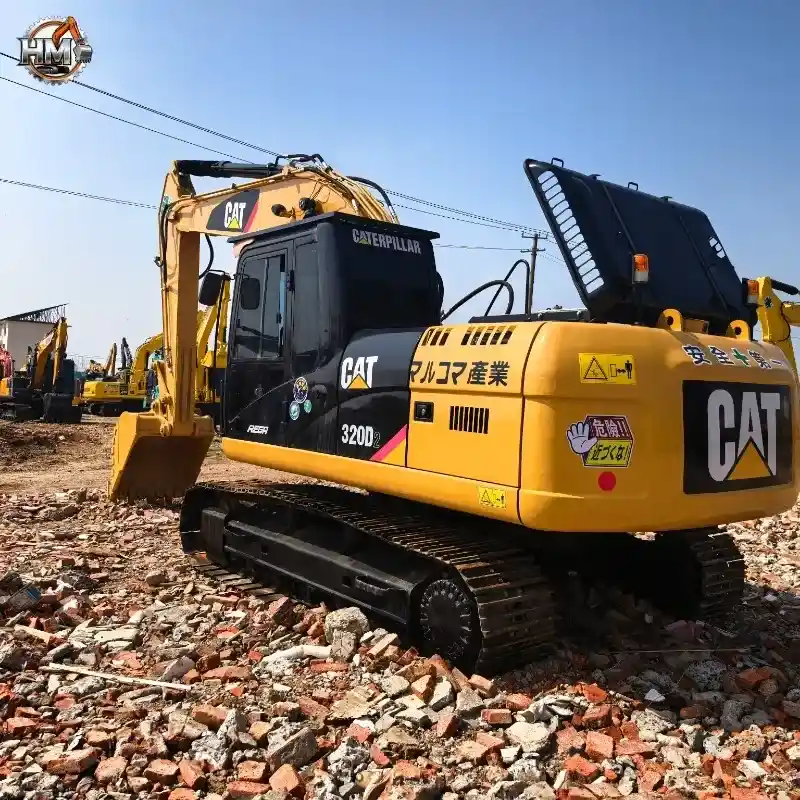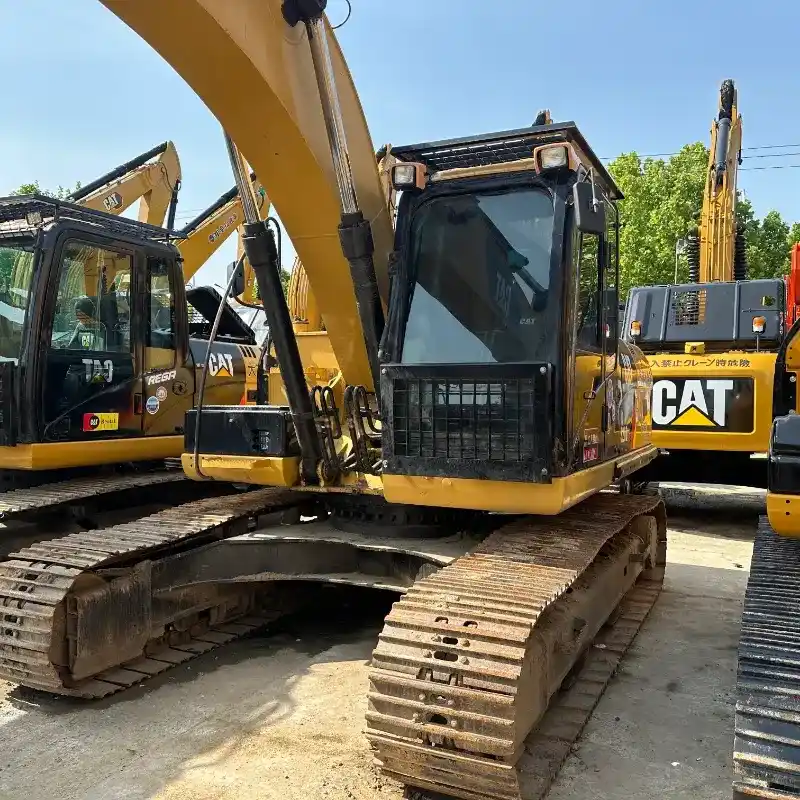






How to Verify Second Hand Cat 320D2 Hydraulics Before Purchase
Release time: 2026-06-22
Table of Contents
Acquiring a Used Cat 320D2 represents a significant capital expenditure for cross-border buyers and fleet managers. While the engine often commands the most attention during pre-purchase inspections, the hydraulic system is the true driver of on-site productivity. A failing main pump or compromised control valve can quietly erase operational margins through subtle cycle time degradation and thermal inefficiencies.
To safeguard your investment in a Second Hand Caterpillar 320D2, a systematic, engineering-focused evaluation of its high-pressure circuit is non-negotiable. This guide breaks down the precise technical protocols required to audit the hydraulic health of a Cat 320D2 Heavy Excavator before executing a wire transfer.
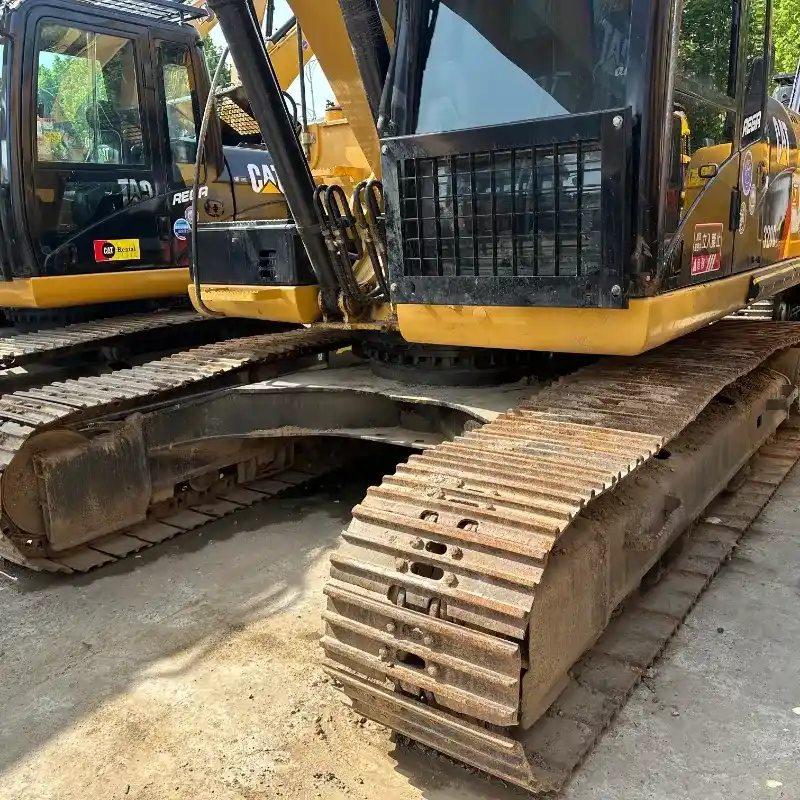
Fluid Analysis and Visual Diagnostics
The health of a twenty-ton excavator hydraulic system is written directly into its oil. Before cranking the engine, extract a sample from the hydraulic reservoir to inspect for clarity and contamination. Dark, cloudy oil with a burnt odor indicates severe thermal stress and cross-contamination, which accelerates internal component wear.
Look closely for micro-particles or a metallic sheen on the dipstick. The presence of bronze or steel flecks points directly to advanced piston shoe wear or barrel scoring within the main hydraulic pump. Additionally, inspect the main control valve bank for signs of external leakage, hairline body cracks, or recent resealing work that might mask chronic pressure drops.
Dynamic Cycle Time and Cylinder Drift Audits
Quantifying hydraulic efficiency requires putting the machine through standardized cycle time tests at maximum operational temperature. Cold oil masks internal tolerances; therefore, the machine must be operated until the hydraulic oil reaches its nominal working range of 50°C to 80°C.
Execute full-stroke movements of the boom, arm, and bucket. Slow response times or stuttering motions during simultaneous boom-up and swing operations usually indicate a failing pilot control system or a weak primary relief valve. Furthermore, perform a strict cylinder drift test: extend the front linkage fully, suspend a rated load off the ground, shut down the engine, and measure the physical retraction of the cylinders over a ten-minute window to isolate internal seal bypass issues.
Hydraulic Performance Benchmarks
To accurately assess whether a machine is operating at OEM standard or suffers from internal bypass, engineers rely on strict performance baselines. The table below outlines the critical operational metrics for a healthy machine versus indicators of component degradation.
| Diagnostic Parameter | OEM Standard (Healthy Asset) | Warning Threshold (System Wear) | Primary Failure Mode |
| Main Pump Relief Pressure | 35,000 kPa (5,076 psi) | Below 31,500 kPa (4,568 psi) | Primary relief valve weakness / Pump wear |
| Pilot Circuit Pressure | 4,100 kPa (595 psi) | Below 3,600 kPa (522 psi) | Pilot pump volumetric efficiency loss |
| Boom Raise Cycle Time | 5.5 — 6.2 seconds | Exceeding 7.5 seconds | Internal cylinder piston seal bypass |
| Swing Speed | 11.5 rpm | Below 9.5 rpm | Swing motor mechanical efficiency loss |
| Max Hydraulic Oil Temp | Stable at 65°C — 75°C | Exceeding 88°C | Hydraulic oil cooler restriction / Slippage |
The Hydraulic-Fuel Nexus: Fuel Consumption Impact
When evaluating a used 20-ton excavator for earthmoving, many buyers overlook how hydraulic health directly dictates operational expenses. Internal hydraulic slippage—where high-pressure oil leaks past worn components back into the low-pressure return line—forces the engine to work significantly harder to maintain breakout force.
This mechanical inefficiency directly influences the Cat 320D2 fuel consumption per hour, causing it to spike far beyond the standard 16 to 22 liters under heavy duty cycles. When comparing Cat 320D2 vs 320D2L hydraulic performance, ensuring that the longer track frame variant retains tight hydraulic tolerances is crucial, as the increased ground contact and travel resistance demand peak torque delivery from the travel motors without pressure drops.
Procurement Assurance and Technical Verification
Navigating the secondary market for heavy machinery requires a partner who understands these technical nuances. Minhow cuts through the guesswork of global machinery sourcing by subjecting every unit to rigorous hydraulic pressure mapping and multi-point load testing before shipment. From verifying pump discharge flow rates to providing certified fluid analysis reports, Minhow ensures that your next asset arrives on-site ready to deliver maximum uptime and immediate operational ROI.
FAQ
Q: What is the standard hydraulic pressure for a Caterpillar 320D2?
The primary implement circuit operates at a standard relief pressure of 35,000 kPa (5,076 psi), while the travel circuit climbs to 35,000 kPa and the swing circuit relieves at 25,000 kPa. The pilot system operates independently at approximately 4,100 kPa.
Q: How does poor hydraulic efficiency affect Cat 320D2 fuel consumption per hour?
When internal wear occurs in the main pump or control valves, the system experiences high volumetric loss. The engine must run at higher RPMs for longer periods to complete a single digging cycle, increasing hourly fuel consumption by up to 20-30%.
Q: Is there a hydraulic performance difference between the Cat 320D2 and 320D2L?
The core hydraulic pump and valve configurations are identical. However, the Cat 320D2L features a longer undercarriage, which alters weight distribution and ground pressure, requiring the travel motors and final drives to operate under different load profiles during heavy counter-rotation or mud tracking.